 English





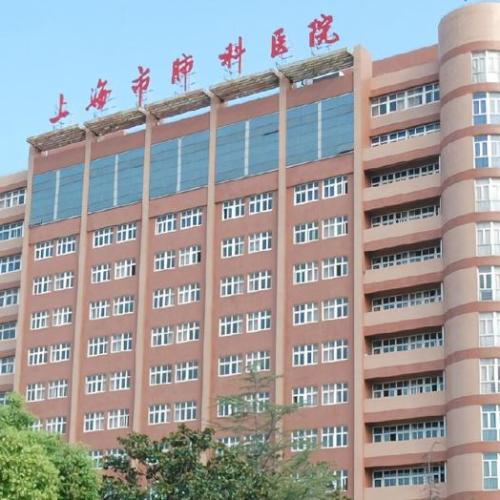
Shanghai Pulmonary Hospital (Shanghai Prevention and Treatment Center for Occupational Diseases, Shanghai Pulmonary Hospital Affiliated to Tongji University) was founded in 1933, with its first director being Professor Yan Fuqing, Dean of the National Shanghai Medical College. It is currently a tertiary Class A university-affiliated specialized hospital integrating medical care, teaching, and research functions. Its main clinical specialties include comprehensive treatment of lung cancer, diagnosis and treatment of difficult pulmonary diseases, tuberculosis prevention and control, occupational disease prevention, and diagnosis and treatment of related conditions. The hospital has been consecutively awarded the title of "Shanghai Civilized Unit." Since 2015, it has received honors such as the National and Shanghai "Model Unit for Open and Democratic Management of Factory Affairs," the National Health Commission's "Model Hospital for Improving Medical Services," the "National Outstanding Collective for Building Safe Hospitals," the "National Model Staff Home," the "Shanghai May Day Labor Award," the "Shanghai Advanced Grassroots Party Organization," and the "Shanghai Excellent Service Brand for Age-Friendly Medical Institutions," with performance evaluations ranking among the top in the city. The main campus is located at 507 Zhengmin Road, Yangpu District, covering an area of 101,000 square meters with a building area of 126,000 square meters. Additionally, there are two practice sites at 130 Yanqing Road and 229 Guyuan Road. As a "Shanghai Garden Unit" and "Yangpu District Cultural Relic Protection Unit," the century-old "Ye Family Garden" is shaded by lush trees, providing a beautiful and comfortable environment for patient treatment and recovery. The hospital has an approved bed capacity of 1,200, with 13 clinical departments, 11 medical technology departments, and multiple research institutes. It currently houses five National Key Clinical Specialties (Thoracic Surgery, Oncology, Respiratory Medicine, Occupational Disease Department, and Organ Transplant Center), one National Traditional Chinese and Western Medicine Collaborative "Flagship" Department (Integrated Traditional Chinese and Western Medicine), three Shanghai Key Clinical Specialties (Thoracic Surgery, Respiratory and Critical Care Medicine, and Tuberculosis), two Shanghai "Top Priority" Key Clinical Disciplines (Respiratory Medicine and Tuberculosis), one Shanghai Key Discipline (Thoracic Surgery), two Shanghai Public Health Key Disciplines (Tuberculosis and Toxicology), one Shanghai Traditional Chinese Medicine Clinical Key Discipline (Integrated Traditional Chinese and Western Medicine), one Shanghai Key Laboratory (Shanghai Key Laboratory of Tuberculosis (Lung)), one Shanghai Lung Transplantation Engineering Technology Research Center, one Shanghai Respiratory Medicine Research Center, one Shanghai Clinical Medical Research Center for Infectious Diseases (Tuberculosis), one Provincial Key Disease Diagnosis and Treatment Capacity Building Project (Non-Infectious Pulmonary Diseases), one Shanghai Collaborative Innovation Cluster Project (Malignant Tumor Immunotherapy Research), and one Shanghai Health System Key Support Discipline (Anesthesiology). Additionally, the hospital has established an Innovation Incubation Center, a Clinical Translation Center, four Clinical Research Centers (Lung Cancer, Difficult Pulmonary Diseases, Tuberculosis, and Occupational Diseases), and two Innovation Centers (Artificial Intelligence for Pulmonary Diseases and Medical-Engineering Integration). In 2025, the hospital provided outpatient and emergency services to 1,485,728 patients, admitted 170,813 inpatients, performed 30,127 thoracic surgeries (including 88 lung transplant surgeries), with an average length of stay of 3.23 days. The hospital has 1,947 employees, with 91.63% being professional and technical personnel, 12.33% holding senior professional titles, and 33.13% having postgraduate degrees. It boasts a team of outstanding talents, including two Changjiang Scholars, four National Distinguished Young Scientists, one candidate for the National Hundred-Thousand-Ten Thousand Talent Project, two National Young and Middle-aged Experts with Outstanding Contributions, three Chief Scientists for National Key R&D Programs, three Young Scientists for Key R&D Programs, one Chief Scientist and one Young Scientist for the National Science and Technology Major Project (Four Major Chronic Diseases), five National Excellent Young Scientists, five Shanghai Leading Talents, and two Dongfang Leading Talents. Since the "13th Five-Year Plan" period, the hospital has led 296 national-level projects, including five National Key R&D Programs, three Key R&D Program Young Scientist Projects, one National Science and Technology Major Project for Four Major Chronic Diseases, and one Young Scientist Project. It has also led 275 National Natural Science Foundation projects, including three Distinguished Young Scientist Funds, six Key Projects, four Major Research Plans, and five Excellent Young Scientist Funds. A total of 1,217 clinical research projects have been initiated, including 627 registered clinical trial projects (GCP), comprising 44 international multicenter lead projects and 149 domestic multicenter lead projects, as well as 580 investigator-initiated clinical trials (IIT). The hospital has published 1,742 SCI papers, including two in *Nature*, five in *CELL*, and two in the same issue of *NEJM*, with a highest impact factor of 158.5. Significant breakthroughs have been achieved in scientific awards, including the 2019 National Science and Technology Progress Second Prize ("Key Technology Research and Application of Precision Diagnosis and Treatment for Lung Cancer"), two recipients of the Shanghai Youth Science and Technology Outstanding Contribution Award, and a total of 51 scientific research awards, including the Shanghai Science and Technology Progress First Prize, the Chinese Medical Science and Technology Second Prize, the Chinese Medical Science and Technology Health Management Award, the Huaxia Medical Science and Technology Third Prize, and the Shanghai Medical Science and Technology Achievement Promotion Award. Looking to the future, all hospital staff will adhere to the pulmonary hospital spirit of "Refined Medicine, Pursuit of Truth, Pragmatism, and Innovation," closely follow national and Shanghai health policies and public hospital management requirements, uphold the original intention of public welfare hospital operation, enhance reform and development momentum, adhere to the concept of high-quality development, and strive to build Shanghai Pulmonary Hospital into a world-class clinical diagnosis and treatment center for pulmonary diseases, an innovative R&D center for lung cancer drugs and surgical instruments, and a clinical training and education center for pulmonary diseases.