Department Details
The Department of Pneumoconiosis (Occupational Disease Clinical) of Shanghai Pulmonary Hospital (Occupational Disease Prevention and Treatment Hospital) affiliated to Tongji University is one of the first national key clinical specialties for occupational diseases and one of the earliest professional teams in China to carry out pneumoconiosis prevention and treatment. Since the 1980s, it has served as a major unit in the National Science and Technology Commission's "Eighth Five-Year" key project "Study on Treatment Measures and Efficacy Evaluation of Silicosis" and the "Ninth Five-Year" key project "Study on the Efficacy and Comprehensive Evaluation Methods of Combined Drug Therapy for Silicosis" and "Study on Combined Drug Therapy for Pneumoconiosis." During the "Tenth Five-Year" period, it undertook the "Key Technology Research on Occupational Health Surveillance and Dust Protection for Pneumoconiosis Patients." In 1999, the Department of Pneumoconiosis was integrated from the Shanghai Institute of Occupational Health and Occupational Disease Prevention and Treatment into Shanghai Pulmonary Hospital (Shanghai Occupational Disease Prevention and Treatment Hospital), participating in the revision of China's 2002 and 2009 editions of GBZ 70 "Diagnostic Criteria for Pneumoconiosis" and the formulation of the national "Standard Radiographs for Diagnosis of Pneumoconiosis." In recent years, under the leadership of nationally renowned pneumoconiosis experts such as Li Dehong, the department has been responsible for the formulation of GBZ 70-2015 "Diagnosis of Occupational Pneumoconiosis," participated in the formulation and revision of multiple diagnostic standards and guidelines including GBZ 25-2014 "Pathological Diagnosis of Occupational Pneumoconiosis," contributed to the revision of the International Labour Organization (ILO) "Guidelines for the Classification of Pneumoconiosis Radiographs" (2020 edition) and standard radiographs, and led the drafting of the "Chinese Expert Consensus on the Treatment of Pneumoconiosis (2018 Edition)," which is the first "expert consensus" published in the field of occupational medicine in China, exerting significant influence in the occupational disease domain. In 2022, it served as the second lead author in drafting the "Chinese Expert Consensus on Pulmonary Rehabilitation for Pneumoconiosis (2022 Edition)." In 2024, it served as the first lead author in drafting the "Chinese Expert Consensus on the Treatment of Pneumoconiosis (2024 Edition)." It also participated in the revision of the ILO's 2022 edition of the Guidelines for the Classification of Pneumoconiosis Radiographs. Relying on the Occupational Disease Clinical Research Center of Shanghai Pulmonary Hospital (Shanghai Occupational Disease Prevention and Treatment Hospital) affiliated to Tongji University, in 2017, the Department of Pneumoconiosis pioneered multicenter clinical trials of pneumoconiosis-related medical devices and new drugs in the field of occupational diseases in China, establishing a pneumoconiosis sample resource bank.
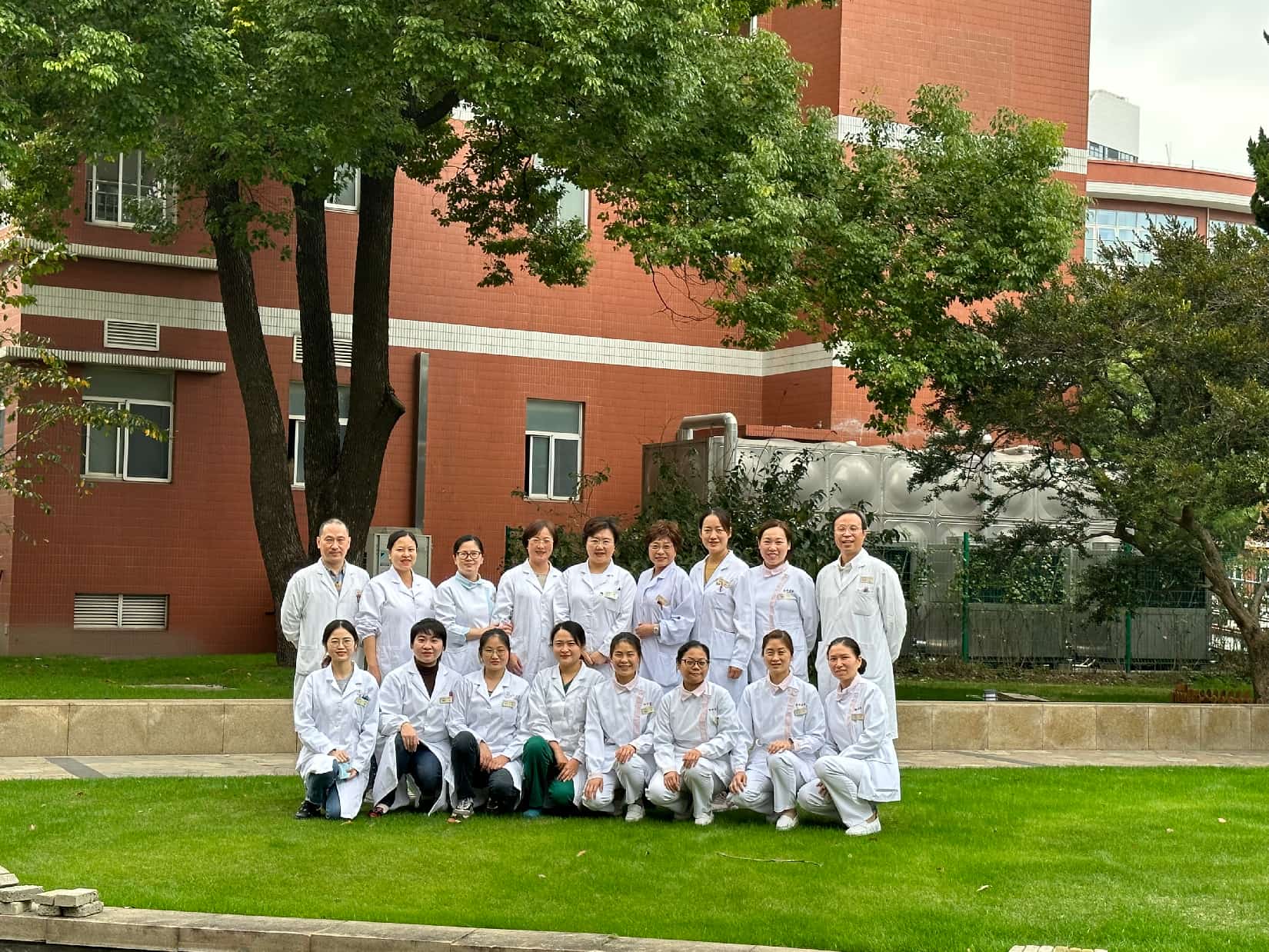
The Department of Pneumoconiosis currently has 12 physicians, 60 beds, an average annual inpatient count of 1,255, and an average annual outpatient count of 9,810. The department admits patients with occupational lung diseases, primarily diagnosing and treating pneumoconiosis, metal and compound dust pneumoconiosis, hard metal lung disease, hypersensitivity pneumonitis, asbestos-induced lung tumors and mesothelioma, and other lung diseases caused by occupational dust exposure.

 English