Department Details
The Department of Infectious Diseases, the First Affiliated Hospital of Guangzhou Medical University, was established in the 1960s. In the 1970s, an infectious disease ward was set up, making it a teaching base for the clinical medicine program of Guangzhou Medical College. After 1984, the Liver Disease Research Laboratory and the Hepatitis and Liver Cancer Research Laboratory of the Guangzhou Medical College Cancer Institute were successively established. The Department of Infectious Diseases is currently one of the largest clinical medical departments among similar disciplines in general hospitals in the Guangdong region.
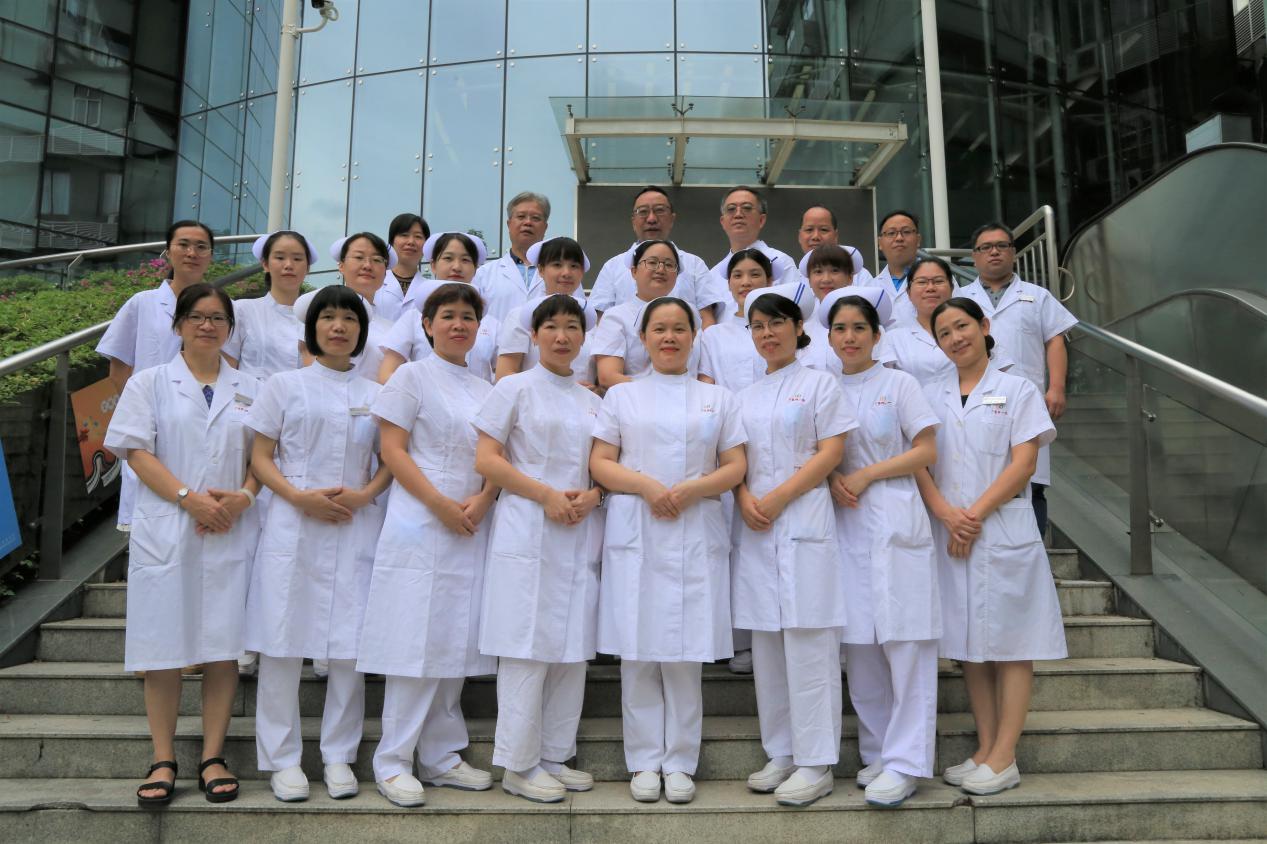
The Department of Infectious Diseases has long been engaged in the clinical diagnosis and treatment of fever of unknown origin, bacterial infectious diseases, viral hepatitis, liver cirrhosis, and emerging and re-emerging infectious diseases, accumulating rich clinical experience. Its medical services are based in Guangzhou and extend nationwide. The department also has a team of nursing staff who have undergone rigorous professional theoretical and technical training, and it was among the first to establish a specialized nursing team for infectious diseases.
As the supporting unit for one of the first national-level clinical antibiotic application bases (AMS platform), the Department of Infectious Diseases is responsible for guiding the standardized and rational use of antibiotics across the hospital and for treating complicated and difficult infections caused by drug-resistant bacteria. It has established a medical treatment and prevention system for major public health emergencies, including emerging infectious diseases: it carries out the diagnosis, treatment, and prevention of major infectious diseases such as COVID-19, influenza, human infection with highly pathogenic avian influenza, dengue fever, Zika virus, scrub typhus, and plague, and is responsible for the prevention and treatment of sudden and outbreak infectious diseases in Guangzhou and surrounding areas. It promotes the standardized diagnosis and treatment of febrile patients, providing a comprehensive and convenient one-stop diagnostic and treatment platform. Through systematic standardized diagnosis, treatment, and effective isolation, it reduces the risk of nosocomial cross-infection, with its academic strength leading the province. It uses integrated traditional Chinese and Western medicine to block the progression of hepatitis to liver fibrosis and further to cirrhosis and liver cancer; it also carries out the diagnosis and treatment of various types of viral hepatitis, alcoholic liver disease, liver cirrhosis, cirrhotic ascites, liver cancer, spontaneous bacterial peritonitis, and other liver diseases.
In terms of scientific research and education, the Department of Infectious Diseases has established a high-level scientific research innovation platform. In recent years, it has undertaken 7 national-level clinical research projects and multiple provincial and municipal-level research projects, published over 20 SCI-indexed papers, and an average of 6 papers annually in domestic core journals. The department is a training base for the "National Plan for Rational Clinical Use of Antibiotics in Primary Medical Institutions" and undertakes multi-level infectious disease teaching for Guangzhou Medical University, including undergraduate and master's programs in clinical medicine, Nanshan Class, stomatology, and integrated traditional Chinese and Western medicine. It began formally enrolling master's students in 1998, and over ten individuals have obtained master's degrees to date. Under the current pandemic situation, to enhance the treatment capabilities of master's students for major infectious diseases, a specialized master's foundational course, "Treatment of Major Infectious Diseases," has been established at Guangzhou Medical University. In the past five years, multiple teaching papers have been published, and students have been guided in conducting scientific research activities.
Departmental Honors:
1. The creation and clinical application of a bacterial resistance resource bank won the Second Prize of the Guangdong Provincial Science and Technology Progress Award.
2. The new mechanisms of occurrence and transmission of clinically important drug-resistant bacteria and their clinical application won the Second Prize of the Ministry of Education Science and Technology Progress Award.
3. The protective effect of the Kangning formula on chronic liver injury and its clinical application research won the Third Prize of the Guangzhou Science and Technology Progress Award.
4. In 2013, the Department of Infectious Diseases was rated as a "Guangdong Provincial Clinical Key Specialty" by the Provincial Health Department.
5. In 2017, it entered the top 10 among the strongest departments for liver disease/infectious diseases in Guangdong Province.

 English