 English




This Significantly Increases the Risk of 13 Types of Cancer Including Colorectal Cancer and Breast Cancer — Take Preventive Measures Early!
This Significantly Increases the Risk of 13 Types of Cancer Including Colorectal Cancer and Breast Cancer — Take Preventive Measures Early!
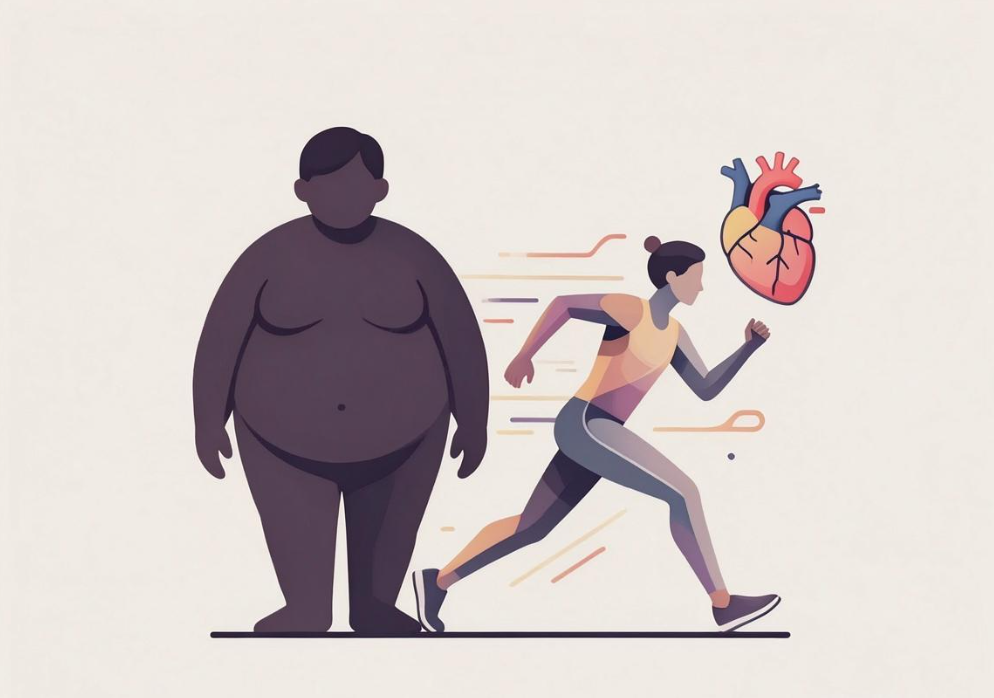
Nearly half of Chinese adults are already overweight or obese, and this figure is expected to exceed 500 million by 2030. When it comes to obesity, many people may first associate it with changes in body shape, but its impacts go far beyond that. Relevant literature reports that obesity can cause more than 200 diseases, notably raising the risks of cardiovascular diseases, type 2 diabetes, hyperlipidemia and other conditions.
What many of us overlook is that obesity is also a critical risk factor for multiple cancers. Globally, about 4% of cancers are linked to overweight and obesity. This is far more than a cold statistic — behind it are millions of lives lost to obesity-related cancers every year, making early prevention essential!
I. Why Obesity Leads to Cancer
Excess adipose tissue in the body can be seen as an overactive "internal factory". Far from being a silent bystander, it continuously creates problems inside the body:
Disrupting hormone balance: This "factory" interferes with the body's normal hormone regulation, for example, causing imbalances in estrogen or insulin levels. Long-term exposure to such abnormal stimulation can lead to excessive proliferation of cells in certain organs, raising the risks of breast cancer, colorectal cancer, endometrial cancer and other malignancies.
Fueling chronic inflammation: Obesity keeps the body in a long-term low-grade "inflammatory state". Adipocytes continuously release pro-inflammatory signals, gradually weakening the body's cell self-repair capacity and even creating a "hotbed" for tumor growth. Studies have confirmed that this persistent inflammation is closely associated with various cancers including liver cancer and pancreatic cancer.
Disturbing metabolic homeostasis: Obesity is often accompanied by "insulin resistance", meaning the body needs to secrete more insulin to maintain blood sugar balance. Excessively high insulin levels can indirectly promote the growth and development of abnormal tumor cells.
II. Cancers with Proven Links to Obesity
According to evidence from the International Agency for Research on Cancer (IARC), weight gain significantly elevates the risk of 13 types of cancer, including breast cancer, colorectal cancer, liver cancer, kidney cancer, endometrial cancer and pancreatic cancer. Taking colorectal cancer as an example, for every 5-unit increase in Body Mass Index (BMI), the disease risk rises by approximately 24% in men and about 9% in women.
III. How to Reduce Cancer Risks Caused by Obesity
Fortunately, the risks posed by obesity are not irreversible. By adjusting lifestyles and maintaining a healthy weight, we can fully rebuild a solid line of defense for our health:
Adjust dietary structure: Moderately reduce the intake of high-oil and high-sugar foods, and increase the proportion of vegetables, fruits and whole grains to provide the body with more natural protective nutrients.
Stick to regular exercise: There is no need to pursue extreme intensity. 150 minutes of brisk walking, swimming or cycling per week can effectively improve metabolism and reduce the body's internal inflammation level.
Prioritize early screening: If you have concerns about your weight, it is recommended to strengthen screening for relevant cancer items in routine physical examinations, so as to truly prevent problems before they happen.
Physical transformation takes time, and health is precisely a kind of accumulation over days and months. Every carefully planned meal and every comfortable workout is storing the most precious health capital for your future self. May all of us treat our bodies more gently, prevent obesity, stay away from tumors and diseases, and steadily walk down this unique health journey that belongs to everyone.
Contributed by Wu Xiaomin and Wang Baohua (Chronic Disease Control Center)
Reprinted from: Chinese Center for Disease Control and Prevention
Disclaimer: The information in this article is for popular science reference only and does not constitute medical diagnosis advice.