 English





The World Health Organization Releases New Guidelines: Up to 45% of Dementia Risk Can Be Prevented or Delayed
The World Health Organization Releases New Guidelines: Up to 45% of Dementia Risk Can Be Prevented or Delayed
The World Health Organization (WHO) today released the new Guidelines for Reducing the Risk of Cognitive Decline and Dementia, providing evidence-based recommendations for countries to help prevent or delay the onset of dementia across the life course.
Dementia is a condition caused by brain diseases that affects memory, thinking, and the ability to carry out daily activities. Currently, more than 57 million people worldwide live with dementia, with nearly 10 million new cases diagnosed each year. Alzheimer's disease is the most common type of dementia, accounting for an estimated 60% to 70% of all cases.
While dementia cannot be cured at present, up to 45% of the disease risk can be attributed to modifiable risk factors, such as smoking, alcohol consumption, social isolation, physical inactivity, air pollution, and noncommunicable diseases including hypertension and diabetes. Beyond health issues, dementia also affects patients' ability to live independently, their dignity, and safety.
Dr. Tedros Adhanom Ghebreyesus, Director-General of WHO, stated: "Today, we understand the factors leading to dementia risk better than ever before, and these guidelines translate that knowledge into action. Countries now have clear, evidence-based recommendations that can be implemented immediately to protect people's cognitive health."
The new WHO guidelines reflect the latest evidence and innovations in reducing dementia risk, offering a range of validated interventions that can effectively lower dementia risk through early recognition and timely action. These guidelines provide an important opportunity to reduce the burden of dementia in the coming decades by further strengthening the integration of services for noncommunicable diseases, mental health, and brain health.
Reducing Risk, Preventing Disease
The new guidelines reflect significant progress in the evidence base for reducing dementia risk since WHO first released its recommendations in 2019. They provide comprehensive advice on addressing unhealthy behaviors, managing diseases, and reducing exposure to environmental factors that can lead to cognitive decline and dementia.
The guidelines recommend a variety of health behaviors and lifestyle interventions to reduce dementia risk, including cognitive training, cognitive stimulation, and participation in social activities for adults with normal cognitive function or mild cognitive impairment.
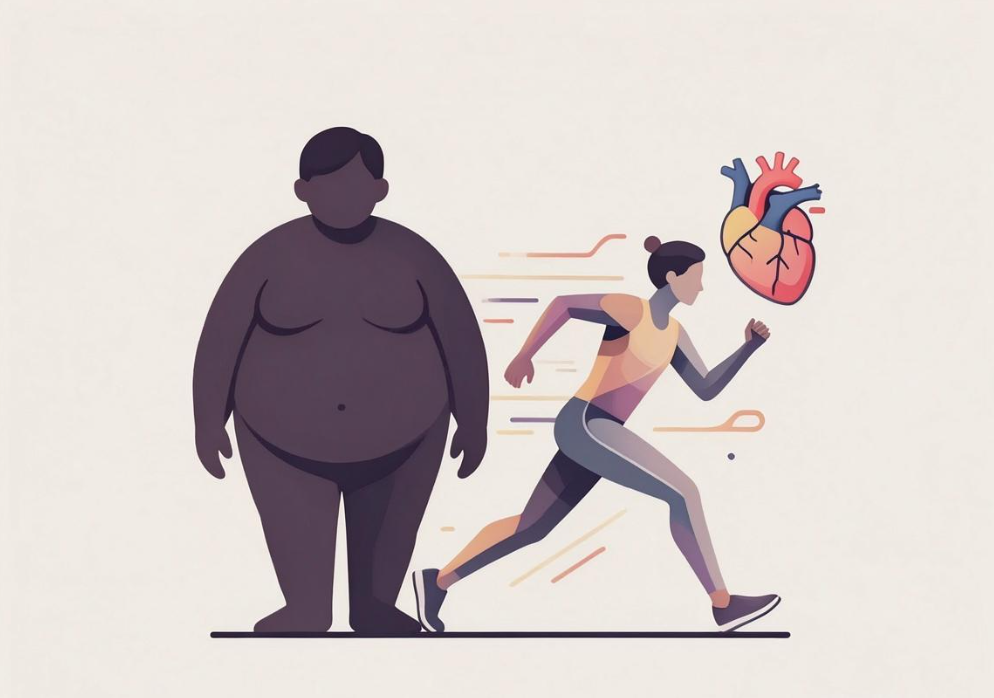
The updated recommendations also include interventions to reduce the risk of noncommunicable diseases, such as increasing physical activity, quitting smoking, reducing alcohol consumption, adopting a healthy diet, and the new recommendation of reducing exposure to air pollution.
Managing cardiometabolic conditions such as hypertension, diabetes, and high cholesterol also helps reduce dementia risk. In addition, hearing aids can be offered as part of risk-reduction strategies.
For interventions to reduce the risk of cognitive decline and/or dementia, the guidelines do not recommend supplementing with vitamin B, vitamin E, omega-3 polyunsaturated fatty acids, or multivitamin/mineral complexes in the absence of a diagnosed nutrient deficiency, as there is no evidence that their potential benefits outweigh possible unintended harmful effects.
Human and Economic Costs
Dementia affects an individual's ability to live independently, work, and carry out daily activities, while placing a heavy burden on families and caregivers. Dementia also causes enormous economic losses, estimated at around $1.3 trillion annually for the global economy, with roughly half of this cost coming from unpaid care provided by family members and friends. Understanding risk factors and taking action to prevent dementia can help improve health outcomes and quality of life, enabling people to live longer, healthier, and more independently.
Reprinted from: World Health Organization
[Disclaimer: The information in this article is for popular science reference only and does not constitute medical diagnosis advice.]