 English




The world's first solid tumor CAR-T therapy is approved in China. A New Zealand patient traveled to Shanghai to complete the first international patient T-cell collection. Under the reverse medical tourism wave, DoveCure provides full-process medical escort services.
From New Zealand to Shanghai: A Cancer Patient’s Cross-Border Medical Journey Witnessing China’s Global CAR-T Therapy Milestone
On July 6, 2026, Shanghai Jiahui International Cancer Center welcomed a special patient — a 59-year-old male from New Zealand diagnosed with gastroduodenal adenocarcinoma. After standard treatments in New Zealand failed to halt disease progression and his tumor kept worsening, no further optimized therapeutic options were locally available.
At this critical juncture, he came across a key piece of public medical information: the world’s first CAR-T product targeting solid tumors was soon to be approved for marketing in China. On June 22, 2026, Suriqrilencel Injection (CT041, brand name: Kailimei®) was officially granted marketing authorization by the National Medical Products Administration (NMPA) of China, making it the world’s first CAR-T therapy ever approved for solid tumor indications. Shanghai Jiahui International Cancer Center is among the first batch of qualified medical institutions in China to clinically apply this breakthrough therapy.
Immediately after learning this news, the patient contacted the hospital. Leveraging the 30-day visa-free entry policy for New Zealand citizens visiting China, he promptly arranged his trip to Shanghai and successfully completed the first core step of the CAR-T treatment process — autologous peripheral blood T cell apheresis. He thus became the first international patient to finish T cell collection in China after the world’s first approved solid tumor CAR-T product hit the market.
.png)
From "Following" to "Leading": The Historic Leap of China’s CAR-T Therapy
Behind this clinical case lies a pivotal turning point for China’s cell therapy industry on the global competitive track. It not only directly demonstrates China’s global competitiveness in the clinical translation of cell therapies, but also sends a clear message to the world about China’s confidence and capability to serve global patients with homegrown innovative therapies.
The core mechanism of CAR-T therapy is to collect the patient’s own immune T cells, genetically engineer them ex vivo to express chimeric antigen receptors that precisely recognize specific tumor targets, expand the modified T cells in vitro, and then infuse them back into the patient. These engineered CAR-T cells can persist long-term in the patient’s body and specifically kill tumor cells expressing the corresponding target. While CAR-T therapies have previously delivered numerous breakthrough clinical outcomes in hematological malignancies, they had long failed to achieve clinically meaningful efficacy in far more prevalent solid tumors such as gastric, pancreatic and liver cancers worldwide, restricted by barriers including tumor heterogeneity and the immunosuppressive tumor microenvironment.
The approval of Suriqrilencel officially ushers in the global era of CAR-T cell therapy for solid tumors, marking that China has taken the lead in completing the historic leap from "following global peers" to "leading global innovation" in the solid tumor cell therapy frontier.
Key clinical trial data of this product shows that for patients with CLDN18.2-positive advanced gastric cancer who failed prior standard treatments, the independent review committee-assessed objective response rate (ORR) of Suriqrilencel reaches approximately 41%, far exceeding the historical data of existing standard treatments for this patient population. The median overall survival (OS) of patients hits 8.6 months, representing an approximately 40% reduction in mortality risk compared with conventional therapies. This set of core data has been presented orally at top international academic conferences including the American Society of Clinical Oncology (ASCO) and the European Society for Medical Oncology (ESMO), and the relevant study has been formally published in The Lancet, earning widespread recognition from the global oncology community.
Meanwhile, Chinese research teams continue to make cutting-edge breakthroughs in the solid tumor CAR-T field: the C-CAR031 product developed by the team led by Professor Liang Tingbo from the First Affiliated Hospital of Zhejiang University School of Medicine achieved a 44.4% objective response rate in the clinical study for advanced hepatocellular carcinoma in target-positive patients, with relevant findings published in Nature. The team led by Lu Xiaoling from Guangxi Medical University innovatively developed a dual-module CAR-T technology, adopting a brand-new strategy of "physical barrier disruption + in-situ immune activation" to provide a novel technical path for cracking the common global industry challenge of the solid tumor immunosuppressive microenvironment.
The "Reverse Medical Tourism Wave": Why International Patients Are Choosing China
This New Zealand patient’s experience is not an isolated case. In recent years, a cross-border "reverse medical tourism wave" centered on accessing cutting-edge innovative therapies has been quietly emerging globally. Official public statistics show that in 2025, key designated international hospitals across China received a total of 1.28 million international patients, representing a cumulative three-year increase of 73.6%.
The core reasons why a growing number of international patients travel thousands of miles to China for treatment fall into four dimensions:
Global Leading Edge in Cutting-Edge Technologies: Currently, R&D and marketing entities of globally approved CAR-T cell therapies are highly concentrated in China and the United States. For advanced solid tumor patients in most countries around the world, accessible options for cutting-edge CAR-T treatments are mainly located in these two regions. China is capable of providing international patients with a closed-loop one-stop service that covers "T cell collection in China, cell manufacturing in China, clinical re-infusion in China and full follow-up in China", eliminating the need for patients to travel between multiple countries to connect different treatment stages.
High Efficiency of the Full Diagnosis and Treatment Process: Public hospitals in Europe and the United States generally face the pain point of long waiting periods. Specialist imaging examinations and routine surgeries in countries like Canada and the UK often require months of queuing. In China, the entire workflow from initial consultation evaluation, specialized examinations to treatment arrangement can be efficiently connected. Many overseas patients have shared that gastroscopy examinations that would take months to wait for in their home countries can be booked and completed on the same day in China.
High Cost-Effectiveness of Medical Services: For cutting-edge cell therapies and supporting medical services of equivalent quality, the overall treatment cost in China is only about 1/3 of that in developed countries in Europe and America. The domestically approved solid tumor CAR-T products are priced between 1 million RMB and 1.3 million RMB, far lower than the pricing of similar products in the United States. Even with the additional costs of international air tickets and local accommodation in China, the total medical expenditure still boasts significant advantages.
Policy Convenience for Cross-Border Travel: China’s continuously expanding opening-up policies have greatly lowered the entry threshold for international patients seeking medical care in China. Currently, citizens of New Zealand, Germany and many other countries can enjoy 30-day visa-free entry into China. Represented by Shanghai Jiahui International Cancer Center, international-oriented medical institutions have established standardized international patient service systems covering initial consultation evaluation, T cell collection, cell re-infusion and full-cycle adverse reaction monitoring, and have provided standardized cutting-edge treatment services for tumor patients from countries and regions including Singapore, the United States, New Zealand and Russia.
DoveCure: Eliminating Barriers for Cross-Border Medical Care
Cross-border medical care can never be simply completed by "booking a flight to China". Language communication barriers, differences between Chinese and foreign medical systems, medically accurate translation of full medical records, precise alignment of travel and diagnosis-treatment milestones, and post-treatment rehabilitation arrangements — every link, if neglected, can become a "roadblock" preventing international patients from receiving treatment in China.
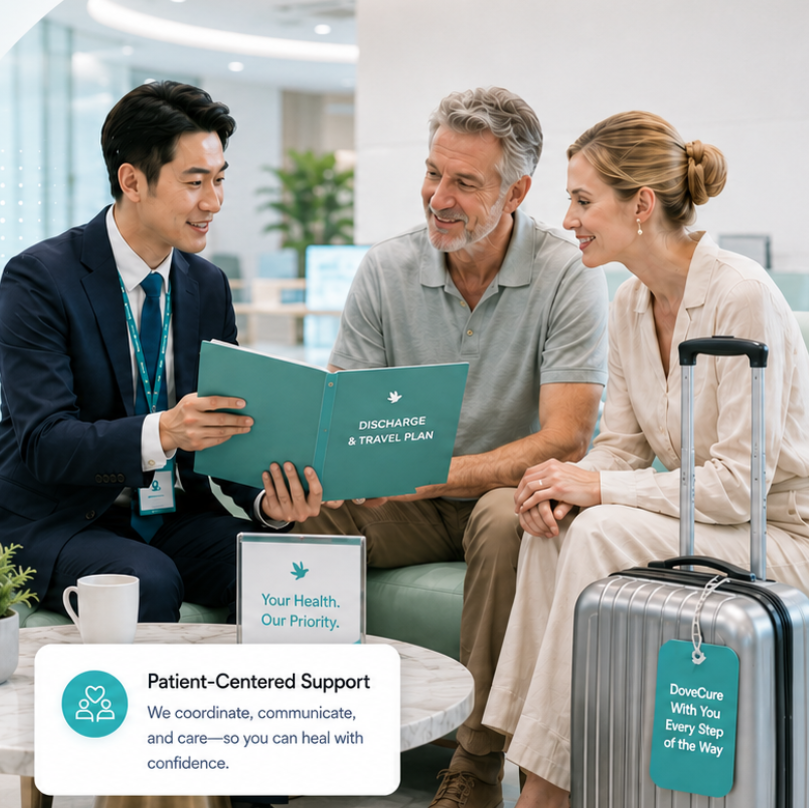
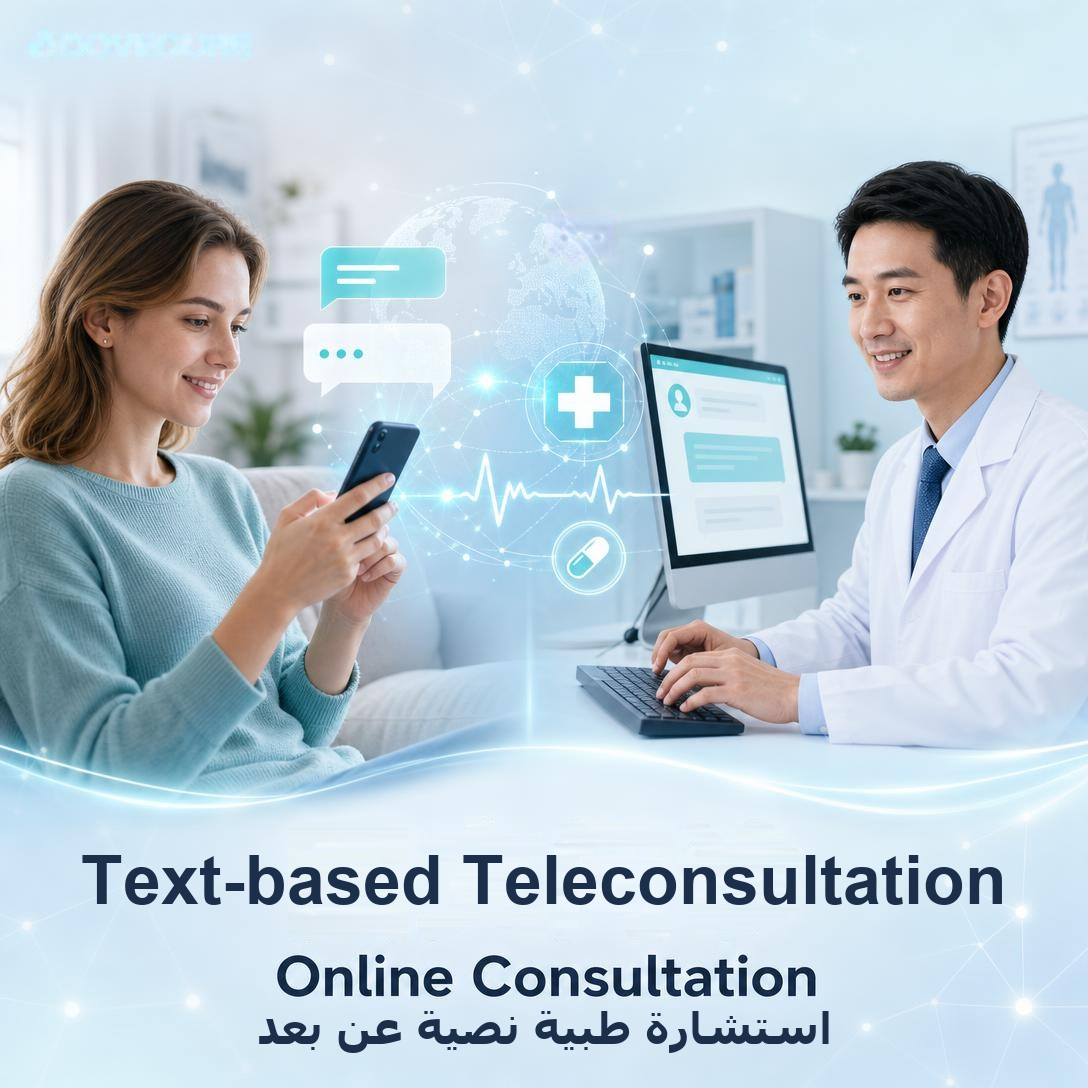
This is exactly the core value of DoveCure, China’s professional medical escort platform. As a specialized escort platform deeply rooted in international medical services, DoveCure provides international patients seeking medical treatment in China with full-process one-stop medical escort services, making every cross-border medical seeker’s journey reassuring, worry-free and comfortable.
From the moment a patient decides to come to China, DoveCure’s full-chain services are activated simultaneously:
Before departure, the team assists with the completion of relevant entry procedures, books international flights and nearby hotels aligned with diagnosis and treatment milestones, and prepares a full pre-trip plan;
Before consultation, it provides professional international patient appointment docking, as well as medical-grade translation of full medical records and clinical reports, ensuring zero deviation in the transmission of condition information between Chinese and foreign medical teams;
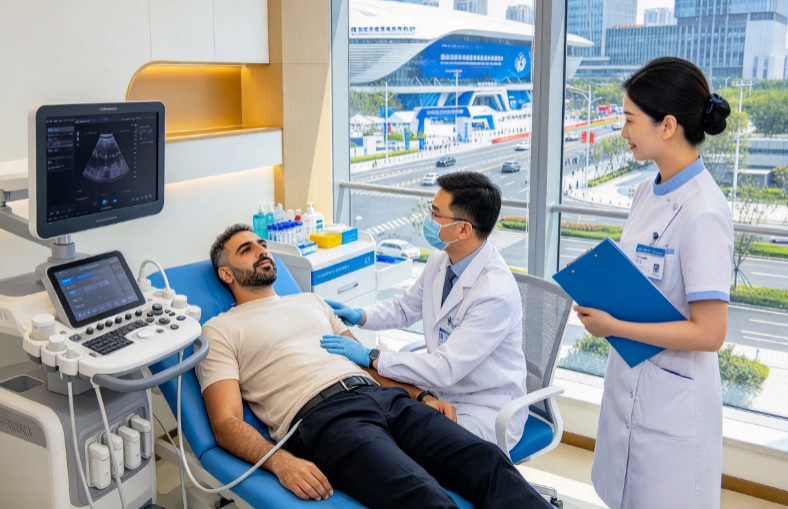
During treatment, medical professionals with bilingual proficiency are assigned to escort the patient through all examinations, therapies and re-infusion sessions, building a barrier-free communication bridge between the patient and the medical team;
After treatment, customized soothing experience tours and traditional Chinese medicine (TCM) wellness tours can be arranged according to the patient’s rehabilitation needs, allowing patients to experience China’s cultural and wellness characteristics while recovering.
As demonstrated in this New Zealand patient’s complete medical journey: from pre-target testing in New Zealand, to T cell apheresis in Shanghai, to subsequent cell manufacturing and re-infusion, every time node requires precise alignment. DoveCure is exactly this full-journey guardian, safeguarding every international patient’s cross-border medical journey with professional capabilities and thoughtful services.
When the market launch of the world’s first solid tumor CAR-T product meets the milestone of the first international patient successfully completing T cell collection in Shanghai, China is proving to the world with its hard core medical technology innovation strength: this country not only hosts globally leading cutting-edge innovative therapies, but also boasts a mature and sound international medical service system, as well as an open and inclusive attitude towards global patients.
In the future, as more and more international patients choose to fly to China for medical treatment, DoveCure is willing to act as a solid bridge spanning language and cultural gaps, so that every medical traveler who travels across the ocean can find new hope for life and warm care in China.
Disclaimer: Partial case information in this article is sourced from public reports released by Shanghai Jiahui International Cancer Center. CAR-T therapy is a highly individualized advanced cell treatment that must be fully evaluated by qualified professional physicians based on the patient’s specific condition, target expression status and physical condition. For specific treatment plans, please consult qualified oncology specialists at formal medical institutions.
.png)

.png)
.png)