تفاصيل القسم
The Department of Critical Care Medicine has a total of 26 open beds. The main monitoring and diagnostic equipment includes: ultrasound machines, oxygen therapy equipment (6 high-flow devices, 2 non-invasive ventilators, 28 invasive ventilators, 1 transport ventilator), 5 blood purification machines, 1 ECMO machine, PiCCO modules, end-tidal carbon dioxide monitoring modules, etc.
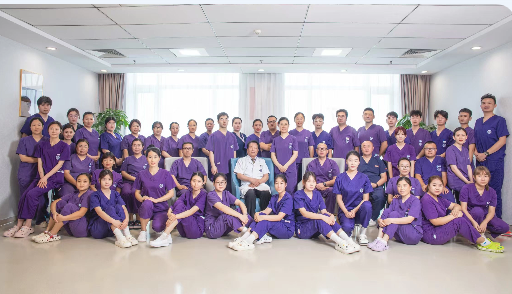
Currently, there is 1 chief physician, 4 associate chief physicians, 9 attending physicians, 1 resident physician, 2 respiratory therapists, and 51 nursing staff at various levels. The department has established 6 subspecialty groups, including the circulatory critical care group, neurocritical care group, abdominal critical care group, blood purification group, ECMO support group, and critical care ultrasound group. It is capable of providing comprehensive monitoring and diagnostic services for critically ill patients, such as various blood purification techniques (continuous renal replacement therapy (CRRT), hemoperfusion and plasma adsorption, plasma exchange, bilirubin adsorption), respiratory support techniques (various oxygen therapy methods including invasive and non-invasive mechanical ventilation and high-flow nasal cannula oxygen therapy, fiberoptic bronchoscopy examination and treatment), various hemodynamic monitoring techniques (critical care ultrasound, PiCCO monitoring, LiDCO), etc. Over the past three years, extracorporeal membrane oxygenation (ECMO) technology has also been introduced, treating more than 40 patients.
On January 5, 2024, the discipline leader Director Li Gang initiated the establishment of the Critical Care Medicine Professional Committee of the Chinese Non-Governmental Medical Institutions Association and successfully held the inaugural conference and first academic forum. In 2025, he also assisted Xi'an International Medical Center in organizing the second annual academic conference. In addition, at least 2 large-scale academic conferences and professional training courses are held each year, such as: Respiratory Support Technology Basic Training Course (Phase I) at Peking University International Hospital Station, Circulatory Critical Care Symposium and In-Hospital Emergency System Construction and Advanced Cardiac Life Support Training Course (ACLS-EP in ICU) at Peking University International Hospital Station, Extracorporeal Membrane Oxygenation (ECMO) Clinical Application Skills Workshop, and Neurocritical Care Clinical Practice and Technology Application Symposium. In 2025, through the platform of the Non-Governmental Medical Institutions Association, a national-level continuing education project "Circulatory Critical Care Symposium and In-Hospital Emergency System Construction and Advanced Cardiac Life Support Training Course" was applied for and successfully held.
Research achievements over the past two years include: 9 papers in 2024 (7 SCI, 2 Chinese), 4 papers in 2025 (2 SCI, 2 Chinese), 1 hospital-level research project, and 4 utility model patents.
Our department has formed a discipline development goal supported by 6 subspecialty groups, centered on "building one brand and three specialties" (namely, building one brand: the circulatory critical care brand — a critical care circulatory monitoring and diagnostic brand anchored by bedside critical care ultrasound and bedside hemodynamic monitoring; creating three specialties: the extracorporeal life support "ECMO" specialty, the neurocritical care monitoring and diagnostic specialty, and the respiratory monitoring, diagnosis, and support specialty), and has initially achieved this goal. In the future, we will continue to use this development plan as guidance for sustained development.

 العربية